
Discover how stress can worsen allergy symptoms — and how biofeedback supports recovery and balance.
Carol’s “Hidden Allergy” and the Concept of Emotional Allergies
As a child, Carol often experienced anxiety rooted in a fear of disappointing her parents. Even minor stress, like a test or a teacher’s glance, would trigger physical symptoms such as itchy skin and a clenched stomach.
Years later, during a demanding work project, these old feelings resurfaced. Her usually mild seasonal allergies intensified dramatically, leading to severe sneezing, rashes, and exhaustion. She realized her body was reacting not just to pollen, but to the intense pressure she was under.
What Is an Emotional Allergy?
Carol’s experience illustrates an emotional allergy. This is a concept where, similar to how the immune system can overreact to harmless substances like pollen, the emotional system can become overly sensitive to ordinary, safe experiences, such as affection, responsibility, or expectation.
When this happens, normal emotional triggers are perceived as unsafe, shifting the body into a stress mode characterized by tense muscles, shallow breath, and racing thoughts. This heightened state often leads to intensified physical flare-ups alongside emotional distress.
Common symptoms associated with emotional allergies include:
-
Sneezing or congestion during high-stress periods.
-
Skin flare-ups when feeling emotionally overwhelmed.
-
Persistent fatigue following conflict or pressure.
-
A feeling of being „allergic” to emotions themselves.
The Stress–Emotional Allergy Connection
The link between stress and these intensified reactions lies in the fight-or-flight response. When stress is chronic—especially if it’s rooted in deep-seated fears like not performing well or being judged—the body remains in a constant state of alert.
This prolonged high-stress state:
-
Increases inflammation throughout the body.
-
Disrupts the normal balance of the immune system.
-
Makes allergic responses stronger and last longer.
This is why allergies often intensify not only during negative situations like deadlines or conflicts but also during happy but high-anticipation events like birthdays. It’s the tension and anticipation that prime the body to overreact.
Returning to Carol’s Story
Carol realized that during her stressful work period, she was carrying the same underlying fear from childhood: the fear of not being „good enough.” This hidden anxiety amplified her stress, which her body expressed through severe allergy symptoms. Like Carol, many people find that emotional triggers rooted in childhood continue to shape their adult stress and physical health responses.
How Biofeedback Helps Calm Emotional Allergies
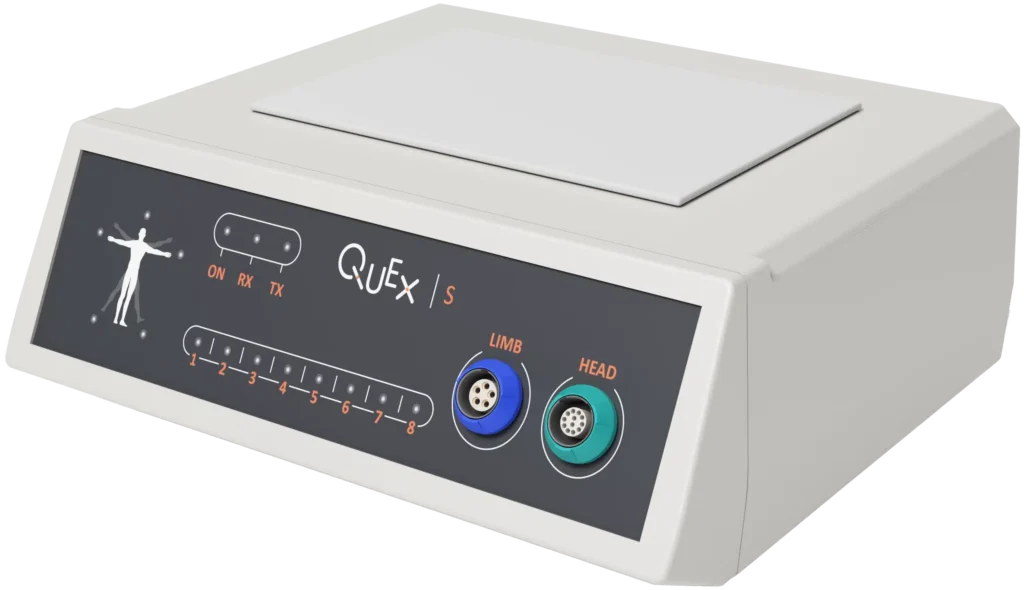
Quantum biofeedback is presented as a helpful tool for this issue. It provides a real-time view into how stress patterns affect the body and emotions.
-
Identification: A practitioner starts by exploring the patient’s history to uncover unresolved patterns, childhood stress, or hidden triggers fueling the emotional allergy.
-
Awareness: Biofeedback tracks subtle physical signals like a racing heart, shallow breathing, or tense shoulders and reflects them back to the patient. This makes unconscious reactions conscious.
-
Retraining: Through regular practice, the body’s stress response is retrained. Balance is restored more quickly, helping patients gain a sense of inner authority over their symptoms.
Biofeedback interrupts the cycle where emotions act as hidden allergens, preventing the nervous system from overreacting. It offers a path to restore resilience and reduce overall reactivity, leading to fewer stress and allergy flare-ups.
Everyday Tools For Emotional Balance
Simple, daily practices can help shift the body from a state of reactivity to one of balance:
-
Pause and breathe: Take a deep breath before reacting in stressful moments.
-
Set clear boundaries: Recognize and kindly express your personal limits.
-
Gently revisit triggers: Face old emotional „allergens” in small, safe, manageable doses.
-
Move your body: Walking, yoga, or stretching helps regulate stress hormones and ease tension.
-
Rest and hydrate: Adequate sleep and water support the immune system and reduce inflammation.